
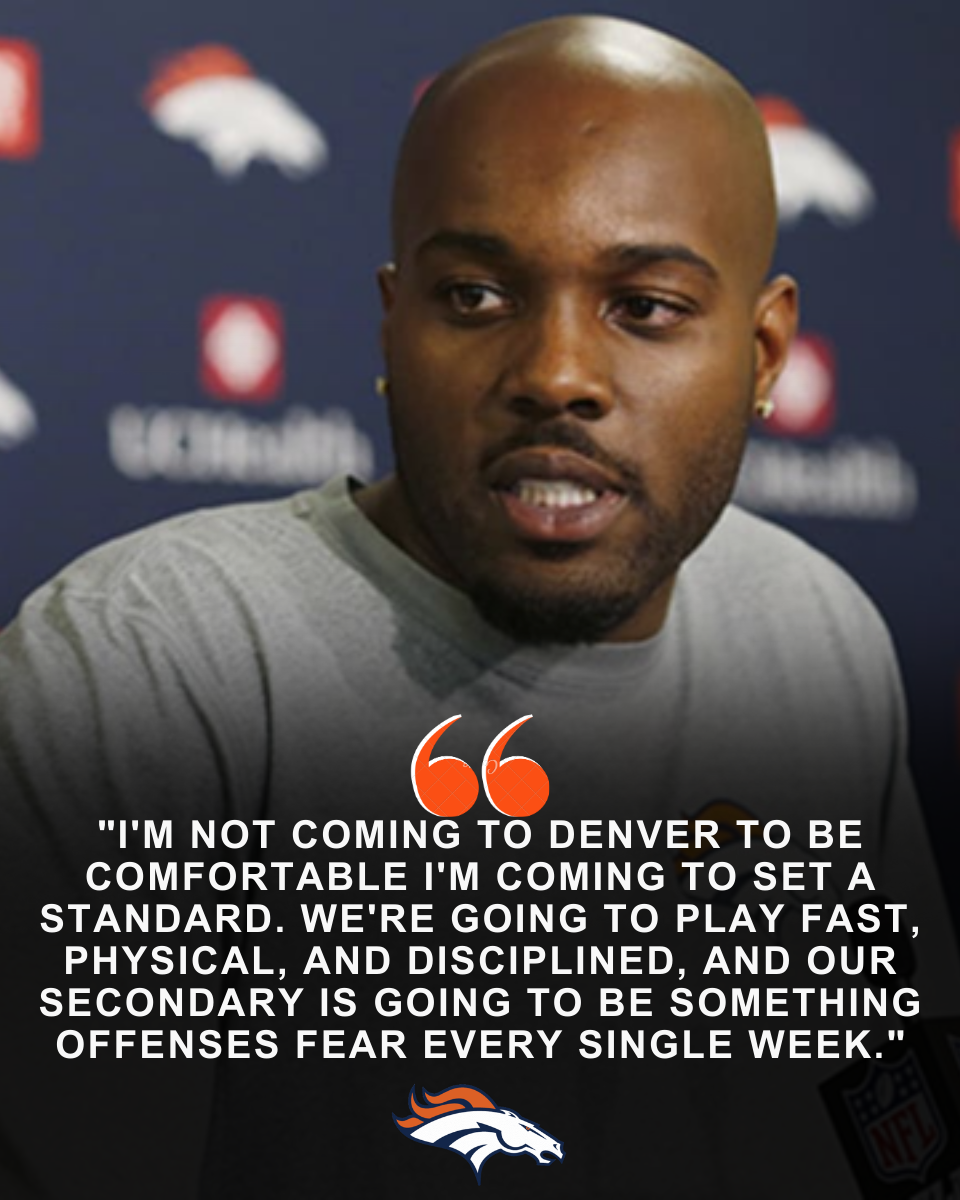
Broncos Country is imagined to be waking up to one of the most quietly massive coaching developments of the entire offseason — a move that doesn't come with fireworks, but could absolutely reshape the identity of Denver's defense from the inside out.
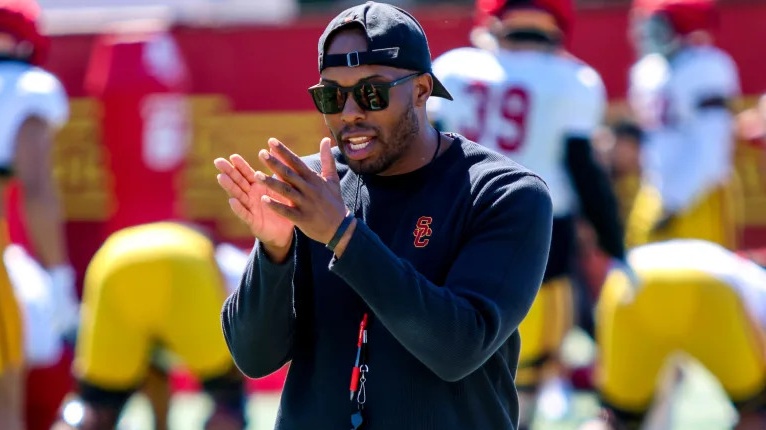
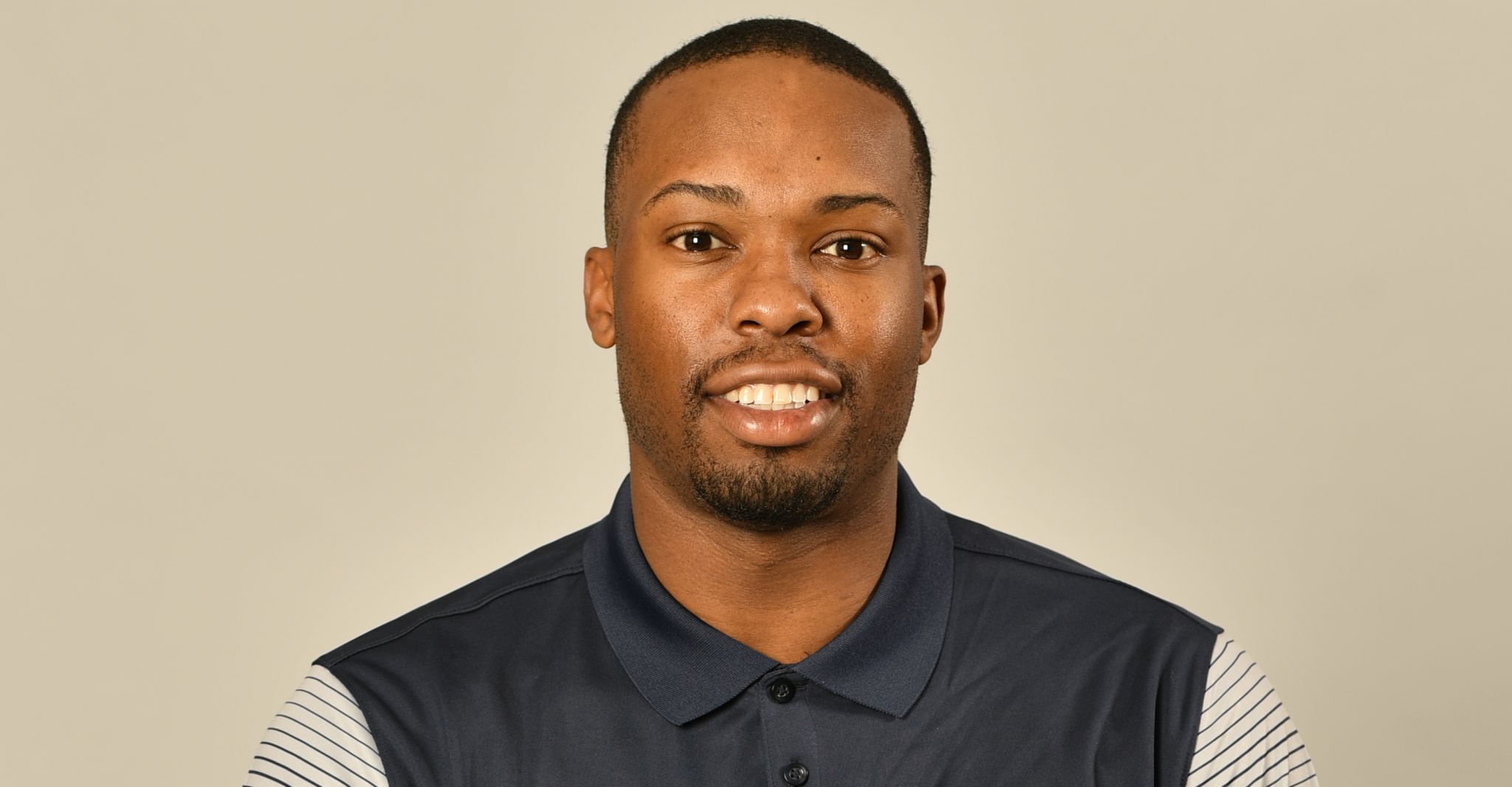
Because in this fictional storyline, the Denver Broncos are reportedly set to hire Doug Belk as their next defensive backs coach.
And if this imagined hire becomes reality, it won't just be another staff addition.
It will be a statement.
A warning.
A signal to the NFL that Denver is no longer satisfied with "potential."
They want precision.
They want discipline.
They want a secondary that plays like a weapon, not a question mark.
Doug Belk, in this fictional narrative, arrives with a reputation that travels faster than his résumé.
He is known as a developer.
A technician.
A teacher who demands details.
A coach who doesn't care about hype.
He cares about habits.
And in the modern NFL, habits in the secondary can decide entire seasons.
Because the NFL is no longer a league where defenses survive by simply being tough.
Defenses survive by being intelligent.
By being connected.
By being disciplined.
By communicating perfectly when the offense is trying to create confusion.
And that is where Belk's name becomes dangerous.
In this imagined storyline, Denver's front office is not hiring Belk to fill a role.
They are hiring him to raise the standard.
To change the culture of the defensive back room.
To install a level of accountability that forces growth.
And that is why the move feels so significant.
The Broncos secondary has talent.
That is not the question.
The Broncos secondary has star power.
The Broncos secondary has flashes of dominance.
But in this fictional narrative, Denver has reached a point where flashes are not enough.
They want consistency.
They want clean execution.
They want a unit that can win games late in the fourth quarter when the pressure is suffocating.
And if you want that, you need coaching that is ruthless about details.
Belk's reputation in this imagined world is exactly that.
Ruthless.
Not in personality.
But in expectations.
He is the kind of coach who rewinds a clip five times to correct one foot angle.
The kind of coach who refuses to accept sloppy eyes.
The kind of coach who demands every defensive back understand not only their assignment, but the entire coverage structure.
Because in the NFL, coverage breakdowns don't happen because players are untalented.
They happen because communication fails.
Because discipline slips.
Because technique breaks under stress.

Belk is imagined to be the coach who attacks those weaknesses directly.
The phrase "pressure-packed role" is not an exaggeration.
Coaching defensive backs in Denver is one of the most intense jobs on the staff.
Because Denver is a franchise with defensive history.
The city remembers elite secondaries.
The fanbase expects defensive pride.
And the league still associates the Broncos with defense, even when the roster doesn't always deliver it.
So when Denver hires a new defensive backs coach in this fictional narrative, it isn't a small hire.
It is a cultural decision.
A statement of intent.
A choice about identity.
And the identity Denver wants is clear.
They want a secondary that plays angry.
Not undisciplined.
Not reckless.
Angry in the sense of competing for every inch.
Closing windows.
Attacking the ball.

Breaking up passes like it's personal.
Belk's arrival in this imagined storyline is described as "zero hesitation."
That detail matters.
Because Denver is not an easy job.
The expectations are high.
The scrutiny is relentless.
The pressure is constant.
Every mistake is magnified.
Every blown coverage becomes a headline.
Every touchdown allowed becomes a debate.
Yet Belk is imagined to be stepping into that role with full confidence.
Not arrogance.
Confidence.
The confidence of a coach who believes in his teaching.
The confidence of a coach who believes in development.
The confidence of a coach who believes discipline can transform a unit.
And perhaps most importantly, the confidence of a coach who believes Denver's secondary is not broken.
It is simply unfinished.

In this fictional narrative, the Broncos are making this hire for a reason beyond coaching.
They are making it for leadership.
Because a defensive back room needs a voice.
It needs structure.
It needs a standard.
It needs someone who can hold young players accountable without crushing their confidence.
Belk is imagined to be that voice.
The potential impact on the roster becomes the most exciting part of this fictional story.
Young defensive backs often rise or fall based on coaching.
Talent matters.
But technique matters more.
Confidence matters.
Film study matters.
Communication matters.
And the best DB coaches create players who play faster because they think slower.
Meaning they don't hesitate.
They don't guess.
They react.
Because they trust the system.
Belk's reputation in this fictional scenario is that he builds that trust.
He turns raw athleticism into consistent performance.
He turns speed into positioning.
He turns instincts into discipline.
He turns potential into production.
Denver wants that.

Because Denver is tired of being a team that "almost" has a complete defense.
They want to become a team that has a complete defense.
A defense that can win games even when the offense struggles.
A defense that can close out tight contests.
A defense that can create turnovers.
A defense that can suffocate.
The NFL is a passing league.
Quarterbacks dominate headlines.
Receivers dominate highlight reels.
And defensive backs live in the most unforgiving environment in sports.
One wrong step, and you are on a poster.
One miscommunication, and you are blamed for a touchdown.
One moment of hesitation, and the game changes.
So the secondary requires coaching that is both technical and psychological.
Belk, in this fictional narrative, is described as a coach who excels in both.
He teaches technique.
But he also teaches mentality.
He builds confidence through preparation.
He builds toughness through accountability.
He builds unity through communication.
That kind of coaching doesn't just improve coverage.
It improves culture.
The Broncos' broader defensive plan in this imagined storyline becomes clearer with this hire.
They are not making random changes.
They are building an identity.

An identity rooted in discipline.
An identity rooted in development.
An identity rooted in toughness.
Hiring Belk is a brick in that foundation.
And when you add enough bricks, you build something that lasts.
Fans in Broncos Country, in this fictional universe, react with cautious excitement.
They know coaching hires don't guarantee wins.
They know the roster still matters.
They know the AFC is brutal.
But they also understand something.
Great coaching elevates talent.
And Denver has talent.
If the coaching catches up, the ceiling rises.
The league reaction in this fictional narrative is subtle but real.
Because teams notice when Denver invests in defensive staff.
They notice when Denver prioritizes secondary development.
They notice when Denver hires coaches with reputations for discipline.
Because disciplined secondaries create problems.
They force quarterbacks to hold the ball.
They force mistakes.
They allow pass rushers to feast.
They create turnovers.
They win games.
The story closes with anticipation.
No official press conference yet.
No formal introduction.
No photos of Belk in Broncos gear.
But the rumor is loud.
And it feels purposeful.
If Doug Belk truly becomes the Broncos' next defensive backs coach in this fictional scenario, Denver's secondary won't just be expected to improve.
It will be expected to transform.
Because Belk isn't coming to Denver to maintain.

He's coming to elevate.
He's coming to demand.
He's coming to build a defensive back room that plays with discipline, swagger, and relentless precision.
And if he succeeds, Broncos Country might soon witness something they've been craving for years.
A secondary that doesn't just survive.